

Many of us are experiencing stress and anxiety about the Corona Virus Pandemic. Firstly, it’s important to remember that anxiety is a normal response during a stressful situation. Acknowledging these feelings is important, rather than trying to push them away or struggle with them. A normal amount of anxiety motivates us to do the important stuff, like engage in correct hand washing techniques and adhere to social distancing. However, if you’re finding that your anxiety is stopping you from doing your usual activities or interfering with things that are important to you, then it might be time to seek some help.
Here are 5 simple tips you can try to help you reduce your anxiety during this stressful time.
Calm Your Anxiety Response
Our body’s fight or flight response has evolved to protect us from danger, by preparing us for fight or flight in response to a threat. What can happen when we’re worrying is that our fight or flight response becomes activated, even though there is no actual danger there. Even though we’re worrying about things that haven’t necessarily happened yet, our body responds in the same way it would if we were fleeing from danger. Learning to calm the body’s fight or flight mechanism when it’s not needed is really important.
Slowing your breathing down activates our parasympathetic nervous system, which is our body’s own natural calming mechanism. A simple technique you can try is breathing in for 4 seconds, holding for 2 seconds, then exhaling for 6. For a simple video version of this technique, click here.
Make time for Positive Emotion
Often when we’re under stress, we stop doing the things we enjoy. When we’re caught up in negative emotion, our thinking becomes much more narrow and negative. Our mood is also affected – when we’re not doing the things we enjoy, we can start to feel low. Positive emotions are beneficial for our wellbeing and can help us bounce back from the body’s stress response. Also, according to the Broaden and Build Theory, positive emotions change the way we think, and can help us think more creatively and expansively. Even if you don’t feel like it, making time for positive activities that you enjoy is likely to help boost your mood, and help you to bounce back quicker from stress!
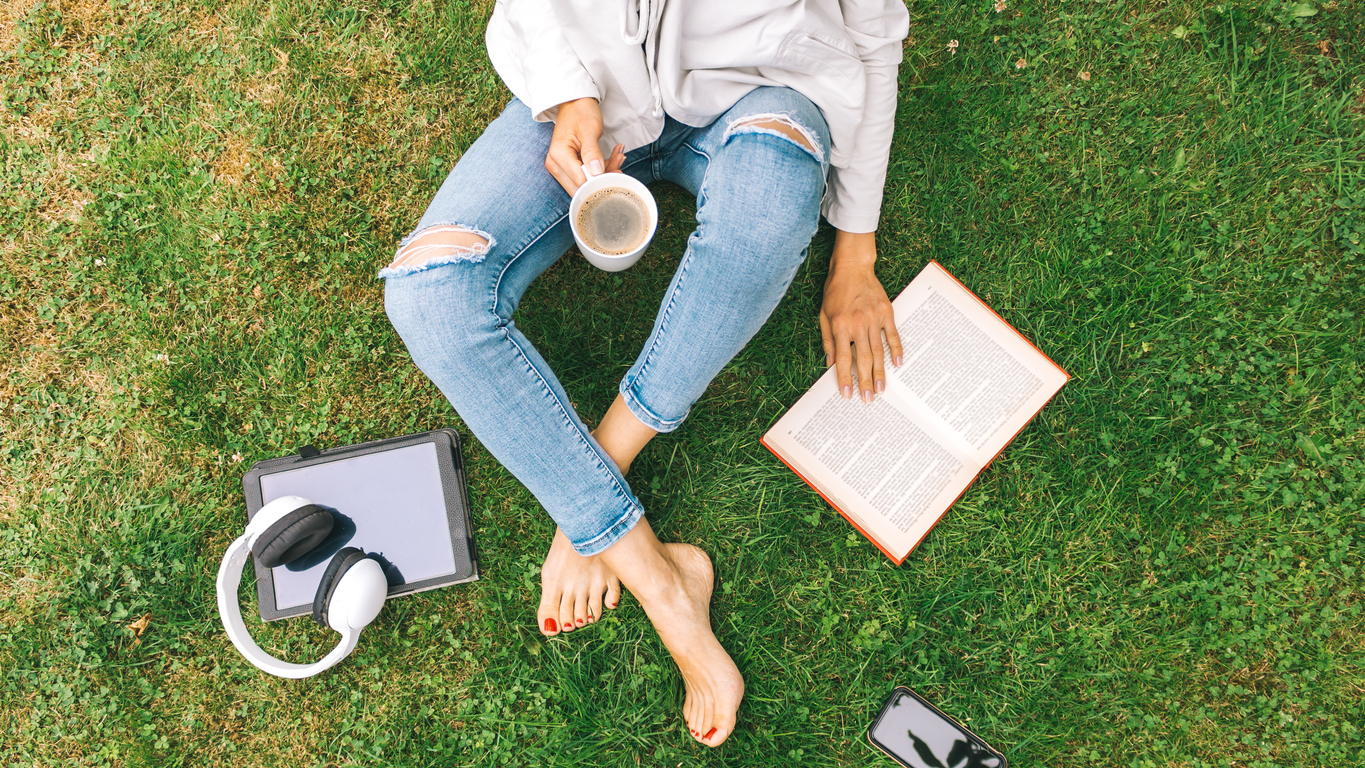
Look after your Physical Health
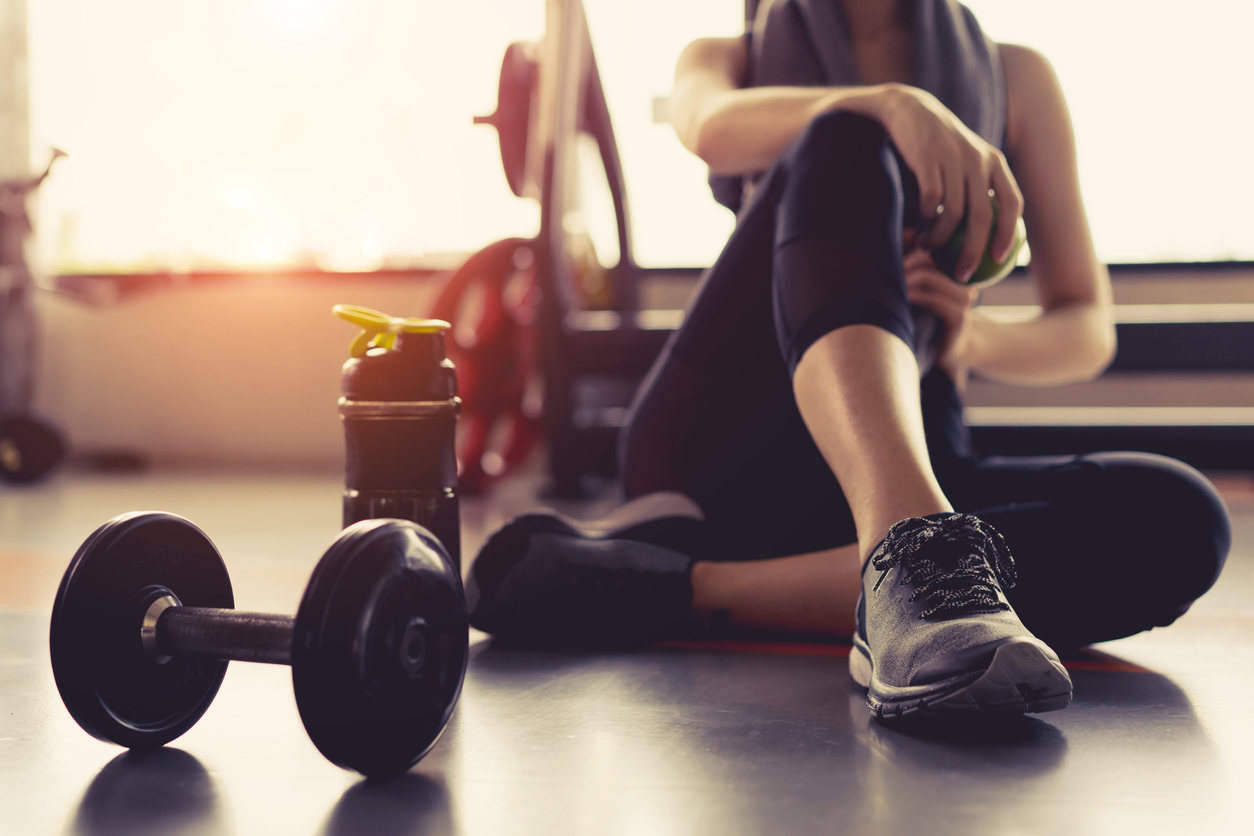
Keeping our physical health in good shape is an important buffer against the effects of stress. Making sure we’re getting adequate sleep and exercise, as well as eating a healthy diet is essential. Getting 7-8 hours of sleep per night will help improve your mood, and give you the energy to engage in exercise and other healthy behaviours.
Making sure that you’re moving every day is important. 30 minutes of exercise per day is great for our mental and physical health. Make sure you pick something you enjoy – whether it’s walking, dancing or lifting weights, picking something you love will help you to stay consistent. Exercise helps reduce our stress levels by reducing our cortisol levels, which is one of our bodies’ primary stress hormones.
Making sure that you are eating regularly, and having a balanced diet is also important. Skipping meals can contribute to feelings of anxiety, so make sure you’re planning ahead so you stick to 3 healthy meals, plus snacks.
Focus on Acts of Kindness
When we perform acts of kindness, this can lead to increases in our feelings of wellbeing, as well as increase our social bonds. When you’re feeling stressed, focusing on how we can help others can be a great way to gain a sense of control and to improve your mood. It might be small gestures, such as calling an elderly relative, or picking up some extra groceries for a neighbour. For more information about kindness and wellbeing, click here.
Focus on the Things within your Control
It can feel really overwhelming when we don’t have a lot of information or the ability to change the situation. Stay focused on the things that are in your control. That might be gathering accurate information from credible sources such as major newspapers or government websites, and adhering to social distancing requirements. If you’re finding the news cycle overwhelming, choosing to tune in just once per day can be a good strategy to reduce your anxiety around the constant bombardment of Corona news.
Focus on the other things within your control such as things that help you to relax or to feel good.
Let go of Unhelpful Thinking
We often have thoughts or worries which are unhelpful or make us feel worse. Simply noticing that a thought is unhelpful is a great way to gain a bit more distance from your thinking.
Practicing mindfulness is also a great strategy to become better at letting go of your thoughts, without judging them. Try a Mindfulness App such as Smiling Mind, Calm and Headspace, if you’re interested in adding mindfulness practice into your daily routine.
Please click here for the YouTube Version of this post.
I hope these techniques help. If you’re struggling with anxiety, see you GP for a mental health care plan, or contact lifeline on 13 11 14 for free telephone counselling.