The biggest predictor of happiness

What is it that you feel you need in order to live the good life?  Is it money, a good career, being able to enjoy creature comforts?  What is it that keeps us happy throughout our lives?

A recent longitudinal study provides us with key insights into what matters most when it comes to happiness.  The Harvard Study of Adult Development is the longest study of adult development that’s ever been done.  The study involved tracking the lives of 75 men, asking them detailed questions about their health, work, family and their home lives.  The participants in the study were a group of two men; the first, a group of Harvard graduates, and the second a group of men from Boston’s poorest suburbs.

The key findings of the study were:

  •  Forget about wealth, fame and success – it’s good relationships that keep people happier and healthier
  • People with good social connections with family, friends and community are happier, healthier and live longer.
  • People who are more isolated than they want to be are less happy, have more declining health, their brain functioning declines sooner and they live shorter lives.
  • It’s not the number of friends that you have, it’s the quality of your close relationships that counts!
  • High conflict relationships can be bad for our health!
  • Positive relationships can serve as a buffer against declining health as we age
  • With age, being in a secure relationship where we can count on the other person, can be protective for our brains (participants in their 80s in secure relationships had sharper memories than those who weren’t!!)

cafe 1 copy

The study’s director, Robert Waldinger, concludes that “the good life begins with good relationships.”

This study is another reminder that for all the demands life places on us, positive relationships are worth prioritising over all!!    Do you nurture your relationships? What can you do to feel more connected to family, friend or your community?

cafe 2 copy

park 2 copy

Wellbeing Apps

Best of the Best Wellbeing Apps

Do you use wellbeing apps?  Wellbeing apps are huge at the moment and with improvements in technology are getting better by the day.  However, it’s often hard to know where to start (and it’s so much easier to scroll through Instagram than to do something mentally taxing)!!  I’ve been road testing a few apps lately, and have found that being able to use my smart phone to fit in health and wellbeing activities around my busy schedule has been fantastic.  I can practice mindfulness anywhere, get a free workout without going to a gym, and become more mindful of my health behaviours.

No more Snapchat, it’s time to improve your wellbeing!!

Here are a few of my favourite apps:

Mindfulness and Psychological Wellbeing

  • Smiling Mind (Cost – Free!!).  This is my favourite mindfulness app – it has mindfulness meditations designed for adults, as well as for children and teens.  You’re guided through simple to follow mindfulness activities that require no previous experience with mindfulness.  The great thing about this app is that you can follow structured programs, or you can choose “bite-size” meditations from as short as 2 minutes. Once you get your practice up, you can also choose from longer and less guided meditations.  The app keeps track of your practice time, and you even receive reward badges as you build up your practice time!!  I also find the voice of the narrator to be quite pleasant!!
  • Calm (Cost – Free for a selection of meditations, then $14.99 per month on a subscription basis).   Calm is another mindfulness meditation app which is great for beginners.  With the basic free app, you can complete the “seven days of calm” course, which will take you through a 10 minute daily mindfulness meditation, which includes information about learning mindfulness before each meditation commences. You can also access a loving kindness meditation and a body scan meditation for free.  My favourite thing about this app, is the relaxing sounds and visuals which play in the background during the meditations (you can choose from a gently flowing lake, falling rain, waves on a beach and all sorts of other delightful sounds!!).   If you decide to subscribe, you can access mindfulness courses to help with anxiety reduction, increasing focus, happiness and other great topics.
  • Mind the Bump – (Cost – FREE):  This is another great app from the creators of the Smiling Mind App, in collaboration with Beyond Blue.  It’s specially designed for new mothers, pregnant mothers-to-be and for partners too, to support their emotional wellbeing when becoming parents!!  I thoroughly recommend this for mummas and mummas to be.  As well as guided meditations, it also includes introductory information about mindfulness and info on the importance of mindfully caring for your baby.
  • Mood Mint (Cost – $2.99) – Mood Mint is a game designed to reduce stress, anxiety and depression, and uses a technique called Cognitive Bias Modification, which trains the brain to develop a tendency to focus more on positive information in your day to day life, rather than negative information!!

Fitness and Exercise

  • Freeletics (Cost – Free – with additional in-app purchases) – Freelethics gives you short workouts which can be tailored to your fitness level!!  You can choose from a variety of routines, and no equipment is needed!!  I just started on the “Aphrodite” which consists of a series of Burpees, Squats and Situps.  If you don’t know what the hell a “burpee” is, luckily the app also provides short videos of how to perfect each technique (Phew!!).
  • FitBit (Free, but you have to buy the Fitbit first 🙁 approx. $80 – $370).  I recently started tracking my daily steps, using the FitBit app.  Since doing this, I’ve actively been finding ways to increase my walking throughout the day.   As well as tracking your steps, the FitBit app can store all sorts of information – you can enter your daily calories, and based on your height, weight and daily exercise, the app will calculate how many calories you should be consuming.  You can also track your quality of sleep, how much water you’ve consumed and set goals around exercise and weight.  I’ve been using this app every day for about a month now and find it’s helped me to increase my exercise, as well as become more mindful of what I’m eating each day.
  • Pocket Yoga (Cost – $4.99).  Pocket Yoga takes you through easy to follow yoga routines from 5 minutes, up to an hour long!!  This is a great way to practice yoga at home (however, I would suggest doing some initial classes first to correctly learn the poses if you’re a beginner).

Close your Facebook/Candy Crush/Snap Chat App immediately!!  There are a world of amazing health and wellness apps out there which you can draw on to improve both your mental and physical health!!  Do you use any of these?  Do you have any favourite health and wellbeing apps I haven’t listed here?  I’d love to hear about them!!

jemma doley

Gratitude: Increase your wellbeing by practicing gratitude

Do you practice gratitude?  Do you take the time to stop and think about all the things you are thankful for each day?  Whilst I continually express gratitude to my skim cappuccino in the morning, I rarely find the time to truly reflect on the things I’m grateful for.  In my experience, it’s easy to feel like you always need more and to compare yourself with others. Despite all the wonderful things that happen each day, feelings of wanting more can override my ability to think about all the positive things in my life – from the amazing family and relationships I have, to having the freedom to pursue my goals, or simply the beauty and wonder of being in nature.

Practising gratitude is a great way to put things into perspective, but in addition, having a grateful outlook on the world could greatly increase your wellbeing, through a multitude of factors!

jem 3 faded

In addition to leading to increases in positive emotions, Emmons & McCullough (2003)  state that “gratitude is effective in increasing well-being as it builds psychological, social, and spiritual resources.”

  •  Being grateful can lead you to reciprocate acts of kindness towards others (performing acts of kindness also boost happiness!).
  • Gratitude can strengthen the social bonds you have – for example, by reflecting on the positive actions of a friend or family member, this may help you to feel more cared for and help you to be mindful of the supportive relationships in your life.
  • Gratitude has strong links with spirituality and may help strengthen spirituality
  • As a positive emotion, according to Broaden and Build Theory, the practice of gratitude can lead to increased creativity and flexibility.

Gratitude has also been recently linked to increases in self control!.

Berida Manor

jem 4 faded

How could you integrate the practice of gratitude into your day?  Would you keep a gratitude diary or log each day? How could you integrate discussions around gratitude into dinner table discussions, or in the workplace? Do you express gratitude to the people you care about this?  What are some creative ways you could do this?

I would love to hear some suggestions!

Gratitude

Gratitude could improve your self control

Is self control an area you need to improve?  I know that I’ve often regretted a late night online shopping session (the sale was just so good, they were practically giving it away!!), or felt remorse over too many chocolate croissants purchased on the run!  I’m not known for my budgeting skills, and often have been known to make an impulse purchase… but what if there was another strategy that could help improve my self control (without feeling like hard work!!).  Gratitude could be a possible answer!!

The benefits of expressing gratitude are now well documented.  Studies have shown that by practising gratitude, you can experiences increases in happiness and wellbeing!

But….gratitude can do more than just lead to increases in happiness…it could help you to become more patient and less impulsive!!  A new study by Dickens and DeSteno (2016) showed that people who expressed gratitude, were more patient and less impulsive.  The more grateful participants in the study were able to be patient, and bypass a short term reward ($30 now), for a better reward in the future ($50 later).

“Wow….sounds great…. but how do I become more grateful?”you ask.  Some simple techniques you can try include:

  •  Three things – each night, think of three things you are grateful for that happened during the day.  This could be a great activity to do around the dinner table with friends or family.
  • A gratitude diary – keep a log of all the wonderful things you are grateful for – it could be a small thing, like the amazing coffee you had in the morning, or something bigger, like gratitude towards a friend.
  • Write a gratitude letter to someone who has impacted your life – it might be a teacher, or mentor, or someone who helped you through a tough situation – you don’t have to send it, but if you did, you might find this equally rewarding (for anyone who read my post about acts of kindness, these are also linked to increase happiness and wellbeing!!).

70s jem 1

Top – Ministry of Style

Would you try these?  Not only could you experience increased wellbeing, but you may also find your self control and patience improve too!!  Woohoo!! 🙂

acheive balance

On (not yet) Acheiving Balance

beach 4

Every year I get older I seem to realise that life throws more and more responsibilities at me, and frankly, I find it quite overwhelming at times!!

I’m lucky enough to have a fantastic job, where I can help people and work as part of a great team…but nonetheless, balancing a career, with studying a masters degree, raising a one year old son, maintaining relationships, blogging, attempting to look after my health, fitness and wellbeing and having some semblance of social life all comes at a price.  That price means that I often feel that I have so many competing demands that I just don’t know where to start!!  This can be exhausting, because instead of just enjoying what I’m doing, my mind is constantly ticking away about all the numerous other things I have to do.

beach 1

No matter who you are and what you do, you’re probably balancing multiple roles and multiple demands.  Here are a few strategies you can try to help you to feel more balanced.

  1.  Acceptance.  Sometimes simply accepting that we can’t do it all is a good start.  Even though I know that no one has a perfect life, everywhere in the media we are bombarded with images of people who have all their shit together – perfect house, great social life, great job etc etc… but no one can do everything at once, and sometimes certain priorities have to take preference over others.  Sometimes when I’m feeling overwhelmed, I try and think about my core values…what’s most important to me?  Having a day to just hang out with my husband and son means so much to me and makes me feel happy….  yes, there is plenty of house work I could be doing, and I’m sure I could spend more time studying, but is that something I’ll look back on and be thankful for?
  2. Learn to engage in the present.  It’s really hard to focus on the task at hand when you’re sending an email, whilst watching some TV and keeping an eye on dinner on the stove (oh, and having a half-assed conversation with a loved one while you’re at it!).  Try and practice mindfully savouring the task at hand, rather than cruising through it on autopilot..  for more information on Mindfulness, click here!  Set yourself small goals, like enjoying dinner without looking at your phone or laptop.
  3. Notice when you experience flow….and do more of that!!  Flow happens when we become so engaged in what we’re doing, that we lose a sense of time, and become so caught up that we don’t even think about all the things we should be doing.  Flow leads to greater wellbeing and reduced stress… they key is allowing yourself the time to do those activities that help you experience flow… For me, I experience flow when playing the guitar, yoga or cycling, or even writing or reading a good book…. the biggest battle for me is making the time for those activities!
  4. Outsource!  In your quest for the perfectly balanced life, could it be that by wanting everything to be perfect, you might in fact be holding on to some unnecessary activities that you could actually hold less lightly, or even outsource?  For example, is there a work task you could delegate so you can leave on time today?  Could you get a cleaner once a fortnight, or some help with a task that’s painstaking for you, like yardwork, doing your taxes, or a myriad of other painful life admin tasks?
  5. Set boundaries and say NO more.  At the end of the day, there are only 24 hours in that day!!  Is right now the best time to commit to that volunteer project you’ve been thinking about, or to fill your weekend schedule when you know you may have trouble meeting all those commitments?  Be easy on yourself, and allow yourself time to meet your existing commitments before taking on too many more.
  6. Look after yourself!!  When life gets crazy, self care is more important than ever….taking time out for exercise works wonders for our mental and physical health…you might feel too overwhelmed for a break, but after a 1 hour gym class or even a 20 minute walk, you’re sure to feel more energised and ready to take on even more challenges… remember, that positive emotions broaden our thought-action repertoire, and may help you to solve problems more effectively and be more creative!!  Schedule time for your wellbeing.  Just like you schedule work activities and appointments, it’s important to schedule time out for important things like exercise, social and family activities and even some downtime!

beach 3Most importantly, just remember that at the end of the day, no one can do it all.  Be good to yourself and accept that there is only so much you can take on, and that sometimes things will come up that are completely out of your control.

What strategies do you utilise to stay balanced?  Would you try these?

Dress - Anine Bing
Sunglasses - Quay Eyewear
reduce stress

Try THIS simple tip to reduce your daily stress levels

How do you unwind after a stressful day?  Do you exercise, have a glass of wine, or a chat with a friend?  After a rough day, did you ever consider that helping others through prosocial behaviour could help reduce your own stress?

A recent study by Raposa, Laws and Ansell (2015) showed that prosocial behaviour can reduce the effects of day to day stress on our emotional functioning.  The study showed that those who engaged in more prosocial behaviours on a stressful day, could mitigate the effects of the day’s stress.

The prosocial behaviours included small gestures such as opening a door for others, or asking if others need help .

So it’s win win!!  Do something kind for others, and you can also help yourself to cope better with stress!! Would you try this?  What else could you do?  Flowers for a friend? Make a cup of tea for your partner?

For more information on kindness and wellbeing, check out this post from last year.

negative self talk

On being your own worst critic

Do you ever feel like you can be your own worst critic?  When someone we love has a setback or a failure we often have all the empathy and care in the world, but when it comes to our own mistakes, it can be surprisingly easy to be hard on ourselves.

self criticismWhy is this?  Why is it ok for others to make mistakes, but not ourselves?  If you feel that you’re your own toughest judge, it may be because of your cognitive schemas (“your what!?”).  Schemas are like a roadmap that help us understand and make sense of the world, and include our underlying beliefs and assumptions.  Those schemas, or road maps, can shape which road we take (our behaviours) and effect how we think about the road we’re on (our thoughts).  We may have schemas related to perfectionism, and unrelenting standards, which can then lead to feelings of pressure, and thoughts around nothing being good enough.  These thoughts and feelings can then affect our behaviour, (for example, working longer hours or avoiding relaxing).

So how can you become your own personal cheerleader and help your inner critic to pipe down!?  Here are a few simple strategies:

1)  Focus on goal mastery, not goal outcomes.  If you’re afraid of failing, why not try and shift your focus to thinking about goals based on what you can learn, or a skill you can build rather than having a focus on the black or white achievement of your goal.  The learning process can become something you can measure and achieve, and will allow you to build your confidence in the small wins.  For example, I might have a goal of improving my leadership skills, rather than obtaining a promotion.  This takes the pressure of “winning or losing” and shifts my perspective to what I can learn, rather than what I can get as an outcome.

2)  Reflect on things you’re grateful for – there is a wealth of evidence that shows that practice of gratitude can lead to increased wellbeing.  Create a gratitude diary, and write down three things you’re grateful for at the end of each day.  This is a great tool to help shift your perspective to the positives in your life.

3)  Ask yourself the question:  “If my best friend X, was in my situation, what would I tell them?”  We often apply one set of standards to ourselves, and one to the others in our lives.  Try thinking about the advice or support you would give someone you care about who was in a similar situation to you – what would you tell them?  How would you care for them?  Can you then apply that same level of care and support to yourself?

4)  Reflect on your strengths.  What are your best qualities and attributes?  When your inner critic pipes up, instead of buying into your own negative thoughts, why don’t you think about how you could apply your strengths to the situation – or if something didn’t go the way you wanted it to, can you think about a time you utilised your strengths really well?

negative self talkDress – Minkpink

Would you try some of these tips?  What strategies work for you feel like your inner critic is holding you back?

Jem Bike 1

Increase your wellbeing through doing the things you’re passionate about

girls on bikes

What are you passionate about?

Passion can be defined as a strong inclination toward a self defining activity that we like, love or find important, in which we invest time and energy  (Rousseau & Vallerand, 2003).

Engaging in a meaningful activity that we’re passionate about and choose to do, increases our psychological well-being, including our levels of life satisfaction, sense of meaning in life and vitality, and decreases anxiety and depression.  Performing activities we’re passionate about has also been shown to increase our feeling of energy whilst doing the activity and afterwards (Rousseau & Vallerand, 2003).

vintage bikes

I find that with age (*cries*) comes more responsibility, more work and more time spent caring for the needs of others as opposed to time spent caring for our own needs.  It’s easy to disconnect from activities we previously enjoyed and were passionate about!!  But….. with the above information in mind, doing the things we enjoy are more likely to make us feel better psychologically and feel more vitality….which will in turn possibly make us more effective workers and better able to engage in relationships with our loved ones!!

passion

However, a note of caution!! (Rousseau & Vallerand, 2003) distinguish between two types of passion.  Harmonious passion, and obsessive passion.

Harmonious passion results when an individual freely performs any activity without any contingency associated with it – the rewards are intrinsic and the activity fits in with our sense of self and identity.  Harmonious passion helps us to want to willingly engage in the activity, and motivates us to freely engage in the activity because we love and enjoy it and it feels “like me.”  Harmonious passions allow is to experience concentration, positive emotions and flow.  We are also more likely to be experience harmonious passion when we recognise and are using our signature strengths.

Obsessive passion on the other hand occurs when we are consumed by engaging in an activity, with extreme perseverance.  The activity often has contingencies surrounding it, such as social acceptance or self esteem.  The passion can become controlling and consuming, and may result in us pursuing the activity above other needs – this may result in feelings of cognitive dissonance and negative emotions!! Vallerand et al (2006) showed that harmonious passion is positively correlated with vitality, but obsessive passion is not!   Can you think of an example of someone with an obsessive passion?

Do you spent time doing the activities you love?  Which activities help you to experience a feeling of flow? How can you make more time for activities you’re passionate about in order to increase your wellbeing?

Do you have an obsessive passion that conflicts with other areas of your life?  What do you value about this obsessive passion?  How does this relate to your other values?   What need does this passion fulfill?  Can you meet that need any other way?  Can you think about how you can better integrate this activity in with your other values and who you want to be?

What are you passionate about?  Music?  Fitness?  Coffee!?  My coffee passion may just be obsessive….not harmonious!!!  Need….more….coffee…

wellbeing and passion

Playsuit - French Connection
Sunglasses - Quay Eyewear
Hat - Seed Heritage
Mindfulness

Be Mindful

I’m a notorious multi-tasker.  At the moment, I’ve got a load of washing on the go, am entertaining an eight month old baby, sterilising some bottles, writing a blog post, studying for a uni exam and have some trashy TV on in the background.  Did I mention I also just ate some dark chocolate at so fast a pace I can barely remember eating it?  Oh, and where did the glass of wine I just poured go?  That’s right…I drank it at rocket speed (woooo)!!  If you’re anything like me, you might on occasion (or on a regular basis…) find yourself on auto-pilot, racing through life so busy thinking about all the things you have to do that you lose sight of the present moment, and often miss out on fully engaging in the task at hand.

Mindfulness

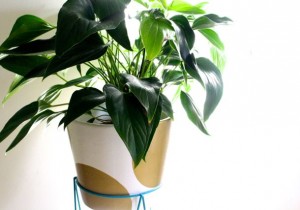
Pot and pot stand - Kmart

Do you ever find yourself so caught up in your thoughts that you miss out on all sorts of exciting things? Like realising that you’re halfway through a conversation with a friend, but you haven’t actually listened because you’re thinking about what a mess your house is, or you’re playing with the kids, but realise that instead of really engaging, you’re thinking about work stuff, financial stress etc…

This is where mindfulness comes in.  Mindfulness can be defined as “Paying attention on purpose, without judgment to our experience as it unfolds moment by moment” (Kabat-Zin, 1990).

Through regular practise of mindfulness, we can learn to remain in the present, allowing us to fully engage in the activity we are doing.  Mindfulness allows us to “unhook” from our thoughts so that we can focus on what’s going on around us.  A second key component of mindfulness is openness and non-judgement – this means that whilst even the most mindful of people will experience stressful thoughts, they are able to appraise them through a lens of curiosity, seeing those difficult thoughts as simply thoughts, which are neither good or bad, without the judgement and loading we usually attach to our thinking (the way we appraise our thinking subsequently affects the emotions we feel!!).

Mindfulness isn’t designed as a relaxation technique, but many people find that they feel more relaxed once they begin practising mindfulness.

“Great, where do I sign up?” you say!  Just remember, like any new skill, learning mindfulness takes practice, practice, practice!!  If you can allocate five to ten minutes a day to practice, you will be well on the way to improving your skills in mindfulness.

“but I barely have five minutes to shower, let alone sit and meditate!!” you say.  Fear not – there are simple ways you can factor mindfulness practice into activities that you are already doing on a daily basis!!   Here are some suggestions, but you can probably come up with some of your own once you get started.

  • Choose a particularly devious food that you enjoy (like a piece of dark chocolate).  Put the piece of chocolate in your mouth, and instead of eating it faster than you can say “pass me some more,” try savouring the experience of eating the chocolate.  Bring your full awareness to the chocolate.  Notice the depth of flavour.  Notice the smell of the chocolate.  Notice the texture of the chocolate change as it melts in your mouth.  Each time you find your mind wandering, gently unhook from the distracting thoughts, by bringing your awareness back to the sensory experience of eating the chocolate.  If you get distracted from the delicious task at hand, remember that this is completely normal, and continue to draw your awareness back to the delicious, delicious chocolate.  Repeat, as often as required 😉
  • Choose a tedious housework task that you don’t love, but have to do most days (this might be washing the dishes or hanging out the washing).  We will use the example of washing the dishes – as you are washing the dishes, focus your awareness on the sound of the running water as you fill the sink.  Notice the sound of the bubbles as you pour in the detergent.  Notice the warmth of the water as you immerse your hands in to begin scrubbing the dishes.  Listen for sounds – the clink of plates, the scrape of a fork on the bottom of the sink.  Notice the feeling of the dishes, the slipperiness of the detergent, the feel of the bubbles.  What can you feel?  What can you see?  Can you smell the scent of the detergent?  As you do this task, your mind will wander (time and time again).  Each time you notice that your mind has wandered,  simply notice this has happened, and without judgement of the thoughts that have swept you away, bring your awareness back to the experience of the task of doing the dishes.  Think of the task as an anchor, which you can use to bring your awareness back to the present, each time your mind wanders.  If you find yourself caught up in your thoughts, try not to judge or appraise your thinking – if you need to label your thoughts, simply label them as “thinking,” then bring your awareness back to the feel, the sound, the smells etc of the task at hand.

So here are two techniques for “mindfulness on the fly.” They don’t take a lot of time, and can be factored in to your every day experiences.  Just remember, the more you practice mindfulness, the better you will get!!

Would you try these techniques?  I’d love to hear how you go.

Get your flow on

Do you ever become so absorbed in an activity that you lose sense of time and space and get lost in what you’re doing?  Chances are you’re experiencing flow!

Flow happens when we are fully engaged in an activity.  We feel in control –  it’s like time stops, and you get swept up in the activity you’re doing – no more thinking about the housework, or what to eat for dinner – you’re well and truly engaged in the task at hand!!  It might happen when we’re performing a hobby like reading or yoga, or it might happen when you’re working on a task that is challenging, like an important work task or university assignment.

There are many psychological benefits to experiencing flow!!  These include increased well-being, greater work/life satisfaction, reduced stress and anxiety, greater sense of self, increased productivity and increased self esteem.  Short term, we’re likely to experience feelings of pleasure, happiness and satisfaction.

flow and wellbeing

So what are the key elements that make flow happen!?

  • Participating in an activity that challenging and uses your skills to the fullest! If the task is too easy, or too difficult, then flow is unlikely to occur.    With this in mind, thinking about your strengths and what you are good at, might help you to choose activities that lead you to experience flow.
  • Having clear goals – is your goal to practise a 30 minute set list to be able to play those songs with confidence at tonight’s gig?  Is it to conduct research on positive psychology to write a university paper?  To spend one hour at the gym to relax?  Whatever it is, make it clear and measurable and think about what the purpose of your activity is.  Think about what you need to achieve your goal including resources, and when and where you will carry out your flow enhancing activity.
  • Having clear and immediate feedback – can you assess your performance as you complete the task?  If not, can you engage in reflection following the activity to think about what you did well or could improve on?  Can a coach,supervisor or mentor give you feedback from observation?

With this in mind, which activities do you get lost in?  It might be playing sport, playing a musical instrument, reading a book (or even, I hate to say….a work task!!).  Can you find a way to engage in this activity every day?  Whilst you might feel like you don’t have time to do things you enjoy, the positive effects of experiencing flow are likely to make you feel happier and more productive when doing the mundane stuff!!

Doing this post made me realise how much I miss picking up my guitar…it’s amazing how time disappears when you’re doing something you love!!  How can you make more time for flow enhancing activities?

flow and wellbeing


Lipstick: Mac - Pink Pigeon