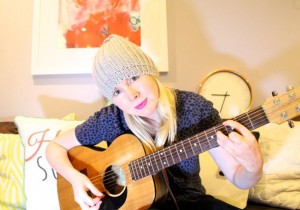
Do you ever become so absorbed in an activity that you lose sense of time and space and get lost in what you’re doing? Chances are you’re experiencing flow!
Flow happens when we are fully engaged in an activity. We feel in control – it’s like time stops, and you get swept up in the activity you’re doing – no more thinking about the housework, or what to eat for dinner – you’re well and truly engaged in the task at hand!! It might happen when we’re performing a hobby like reading or yoga, or it might happen when you’re working on a task that is challenging, like an important work task or university assignment.
There are many psychological benefits to experiencing flow!! These include increased well-being, greater work/life satisfaction, reduced stress and anxiety, greater sense of self, increased productivity and increased self esteem. Short term, we’re likely to experience feelings of pleasure, happiness and satisfaction.

So what are the key elements that make flow happen!?
- Participating in an activity that challenging and uses your skills to the fullest! If the task is too easy, or too difficult, then flow is unlikely to occur. With this in mind, thinking about your strengths and what you are good at, might help you to choose activities that lead you to experience flow.
- Having clear goals – is your goal to practise a 30 minute set list to be able to play those songs with confidence at tonight’s gig? Is it to conduct research on positive psychology to write a university paper? To spend one hour at the gym to relax? Whatever it is, make it clear and measurable and think about what the purpose of your activity is. Think about what you need to achieve your goal including resources, and when and where you will carry out your flow enhancing activity.
- Having clear and immediate feedback – can you assess your performance as you complete the task? If not, can you engage in reflection following the activity to think about what you did well or could improve on? Can a coach,supervisor or mentor give you feedback from observation?
With this in mind, which activities do you get lost in? It might be playing sport, playing a musical instrument, reading a book (or even, I hate to say….a work task!!). Can you find a way to engage in this activity every day? Whilst you might feel like you don’t have time to do things you enjoy, the positive effects of experiencing flow are likely to make you feel happier and more productive when doing the mundane stuff!!
Doing this post made me realise how much I miss picking up my guitar…it’s amazing how time disappears when you’re doing something you love!! How can you make more time for flow enhancing activities?

Lipstick: Mac - Pink Pigeon